
Cuban Missile Crisis JCC
American Cabinet
American Cabinet
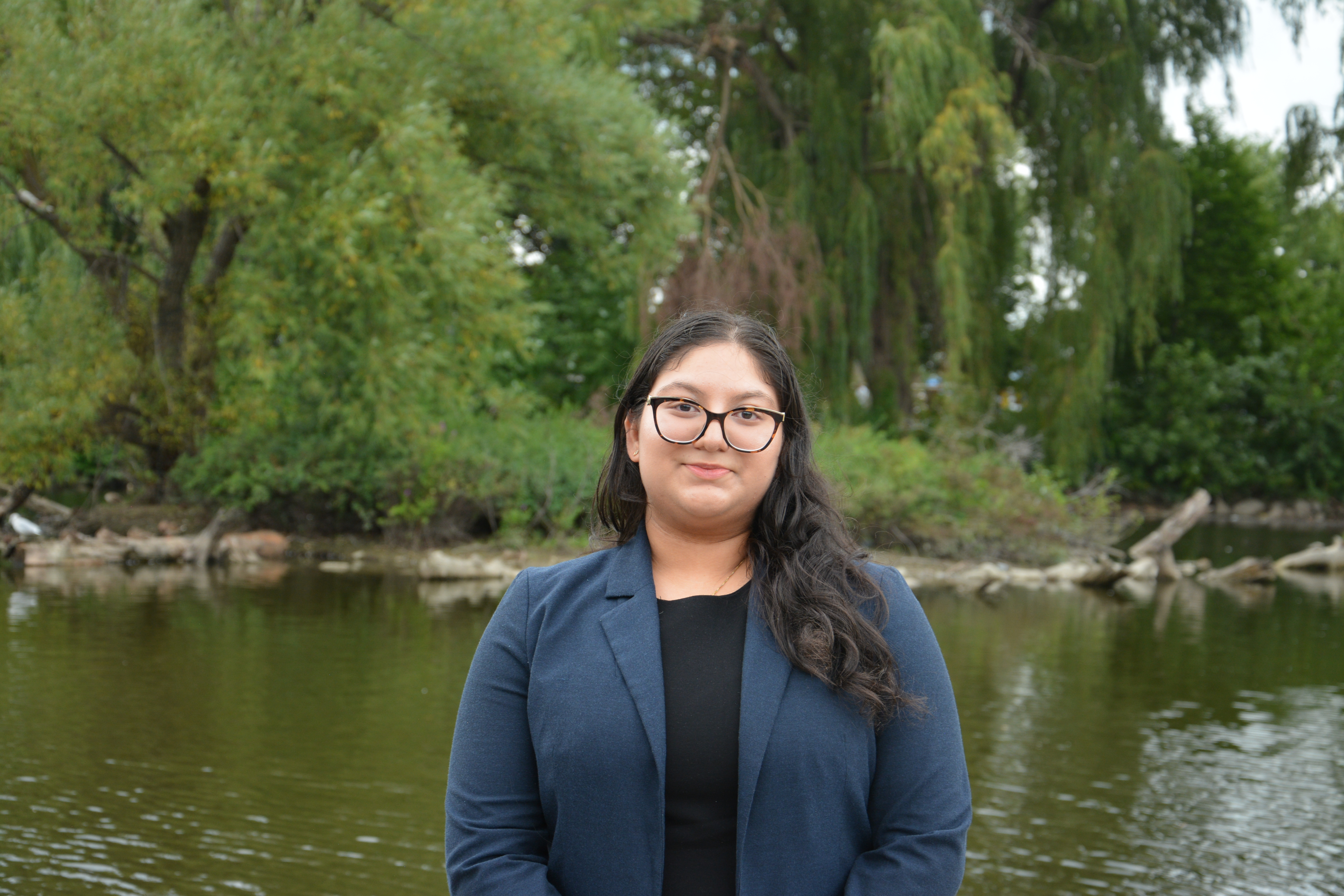
Director
My name is Tisya Sharma, and I am the director for the World Health Assembly committee, WHA, at the TFSSMUN III iteration. Recently, developing a deep learning model for an optical disorder’s detection has also sparked my interest in the governance dimension of Artificial Intelligence in medicine. Learning about the current groundbreaking research at the intersection of technology and medicine, especially in disease detection, has amazed me with the vast possibilities for healthcare’s future.
Yet, as with any emerging field, with new opportunities inevitably comes debate, and I’m excited for this technical debate in an ever-evolving field to unfold. Being passionate about collaborating with diverse perspectives, I’d been naturally drawn to MUN’s exceptional bloc-based debate environment from the very start of my high school journey. When I’m not engaged with MUN, technology, or school, you’ll find me expressing my creative side through playing the piano, swimming, and travelling!
In an ever advancing world where technology and artificial intelligence (AI) are more present than ever, healthcare governance is pushed to determine the overall scope for incorporating AI within clinical application, and address an urgent question: To what extent do medical professionals rely on use and judgment of artificial intelligence? While highly effective at automating routine activities, and allowing healthcare workers to focus on more rigorous tasks, the fast-paced global adoption of this technology across critical industries is exposing repetitive patterns of data biases, model hallucinations, and even inaccurate diagnostic errors among others issues.
With today’s fact being more surreal than fiction, global leaders assemble at the World Health Assembly, the decision-making body of the World Health Organization (WHO), to settle the governance of the game-changing power AI brings to the medical field. Member states are drastically varying in their regulatory models for AI in healthcare, with some following an approach of commercial deployment of models to allow customised user experience, and others focusing on domestic control through enforcing strict mandates on AI. Together, the states must navigate through the fine boundary between safety and progress and reach consensus in policies that balance innovation with regulation of artificial intelligence. Even once an AI regulation approach is established, many regions remain outpaced due to inadequate digital infrastructure, funding, or technical capacity. Effective governance requires both regulation and equity, and it is up to the states to determine funding mechanisms and guidelines that support equitable deployment of technology in healthcare across all regions.
In this budding field, decisions will not only set current policies but pave the path for the future of digital healthcare. The only question remaining now is, are you ready to bring your highest creative vision, academic-rigor and diplomacy to the most discussed topic of 2026? Because when it comes to saving lives, error is not an option.